by Lorenzo Canizares
4/7/26
Today (4/7/26) Israel, the United States and Iran agreed to a two-week ceasefire and the reopening of the Strait of Hormuz saving Iran from a horrific aerial attack aimed at their infrastructure including bridges, hospitals, schools, water desalination plants, etc. The world breathed a sigh of relief.
The idea is to utilize these two weeks to work on a lasting peace agreement. Good luck. Let’s calibrate this joyful moment. Let’s put our feet on the ground and realize who are the participants in this agreement. Are you telling me that we are to believe Israel will comply to a peace agreement? Didn’t they sign a peace agreement to end the Gaza war a month ago that has already produced over 500 Palestinian deaths? Peace agreements for white supremacists are for the other side to obey.
As University of San Francisco Professor Stephen Zunes points out in an article in The Progressive, Trita Parsi of the Quincy Institute for Responsible Statecraft reminds us that the decision to accept a ceasefire in the twelve-day war last June “only enabled the United States and Israel to restock and remobilize to launch war again. If they (Iran) agree to a ceasefire now, they will only be attacked again in a few months.”
Supremacists and greed-mongers utilize wars to attack others and steal from them. Israel’s Prime Minister Benjamin Netanyahu in a United Nations speech that he titled “The Course and The Blessing” let us know that the Course according to him is for the geography in the Middle East to remain as it is while the Blessing is a reconfiguration of the Middle East highlighting a Greater Israel taking chunks of land from other countries.
Cool heads prevailed. Good people want peace.
Iran has presented a 10-point proposal that even Trump has considered to be a reasonable proposal. The proposal states:
US commitment to non-aggression: A guarantee that the US will not take any further military actions against Iran.
Control over the Strait of Hormuz: Continued Iranian control over the critical shipping route for oil.
Recognition of uranium enrichment rights: Official recognition of Iran’s right to enrich uranium for peaceful purposes.
Lifting of primary sanctions: Removal of all primary sanctions imposed by the US on Iran.
Lifting of secondary sanctions: Removal of secondary sanctions targeting countries and companies doing business with Iran.
Termination of UN and IAEA resolutions: Lifting of all UN Security Council and International Atomic Energy Agency resolutions against Iran.
Compensation for war damages: Payment of reparations to Iran for damages caused by the conflict.
Withdrawal of US forces from the region: Full withdrawal of US combat troops from Iran’s neighboring regions.
Cessation of hostilities across all fronts: End to all military actions, including those in Lebanon, where Iranian-backed forces are involved.
10.Conditional ceasefire: A temporary halt to fighting, contingent on the full negotiation and implementation of these demands.
But the agreement hasn’t yet been achieved for a few hours that Israel is already beginning to find objections. The initial one is that Israel wants to continue waging war in Lebanon with the intent of maintaining its original purpose of gobbling up territory. In one month, Israel has killed 1500 people in Lebanon and now are targeting Shia Muslims for expulsion from Southern Lebanon trying to divide the Muslim resistance to their occupation.
Donald Trump campaigned on an “America First Foreign Policy” and many good people voted for him based on that understanding, one that would avoid unnecessary foreign clashes and instead focus on the needs of the American people. And it looked for a while the negotiations with Iran to prevent its development of nuclear weapons were moving smoothly as per the Foreign Minister of Oman. But Netanyahu wasn’t going to allow the opportunity of obliterating Iran just pass by, so while negotiations were going on the way to resolve the concern, Netanyahu took several trips to Washington to convince Trump to abandon the negotiations and start killing Iranians, being among the first victims the 165 girls’ school.
How difficult could it be for Iran to negotiate realizing the betrayal suffered by being attacked while negotiations were going well? Trump is being forced to negotiate because the world is blaming him for the economic difficulties many nations are suffering because of the closing of the Strait of Hormuz and the increase in prices of basic goods just a few months before very important midterm elections that for the President’s party to lose could put him in serious legal jeopardy.
Congresswoman Rashida Tlaib (D-Mich) as also many others, are calling for the removal of President Trump through invoking the 25th Amendment after his genocidal threat to bomb Iran back into the stone age. Congressman Mark Pocan (D-Wis) said “Trump is too unhinged, dangerous, and deranged to have the nuclear codes.” It’s hard to disagree with both Representatives.
The precariousness of this situation cannot be overstated. A very important cog for the world economy needs to be allowed to function freely. Negotiations based on the reasonable proposals presented by Iran could succeed but as long as Netanyahu have a major influence on Trump the possibilities of another betrayal loom very large as Mr. Parsi suspects will end up happening.
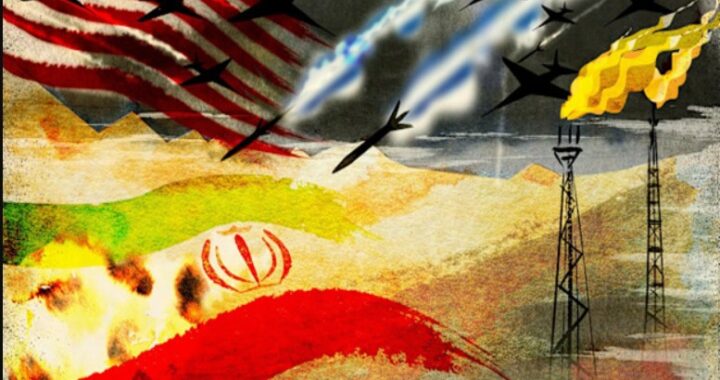
Armageddon: Avoided or Postponed?


Posted in Pulse Line 1.