
JOIN LCA!
the Labor Community Alliance
South Florida’s most active and militant social justice organization.
Our primary goal is to advocate for progress and justice, ensuring equal opportunities for all. We are dedicated to supporting legislation that promotes justice, dignity, and peace for all people, with a particular focus on policies that prioritize the working class community.
PEOPLE'S PANELS
Mexican MORENA (Movimiento Regeneración Nacional) Victory
Bernie Sanders Holds Conversation With Iran Experts
Palestine: An Issue for Every Worker
Healthcare Is A Human Right
PROGRESSIVE PULSE
Data Centers are the Harbingers of Fascism
Armageddon: Avoided or Postponed?
Gracias Sandro Castro!
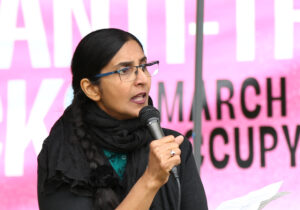
Kshama Sawant for Rank-and-File Workers
The Anatomy of a Political Betrayal
It Was All About the Oil
LEGAL CORNER with Melba Pearson, Esq.
Announcements
Monday, June 15, 8:00 p.m.: Medicare for All LCA Open Discussion with Maria Torres-Lopez and Stephan Ramdohr
Join Maria Torres-Lopez from National Nurses United and Stephan Ramdohr from Medicare for All Florida!
Co-Sponsors: National Nurses United, Communication Workers of America, Florida's Coalition for Racial Equality


Register in advance for this meeting:
https://us02web.zoom.us/
After registering, you will receive a confirmation email containing information about joining the meeting.
Medicare for All is a proposed single-payer national health insurance system in the U.S. that would provide comprehensive, tax-funded healthcare coverage to all residents.
What Medicare for All Is
Medicare for All (M4A) is a legislative proposal aimed at creating a universal, single-payer healthcare system in the United States, similar to Canada’s Medicare or Taiwan’s National Health Insurance. Unlike the current Medicare program, which primarily serves people aged 65 and older or those with certain disabilities, Medicare for All would cover all U.S. residents, regardless of age or employment status.
Coverage Under Medicare for All
The plan would provide comprehensive healthcare coverage, including:
- Primary and preventive care
- Hospitalization and emergency services
- Prescription drugs
- Mental health services
- Long-term care
- Dental and vision care
Private insurance would largely be replaced for essential care, though supplemental private coverage could still be purchased for non-essential services like cosmetic procedures.
Funding and Costs
Medicare for All would be funded primarily through taxes, replacing most private insurance premiums. Funding mechanisms proposed in legislation include:
Increased personal income taxes on high earners
Progressive payroll and self-employment taxes
Small taxes on financial transactions such as stocks and bonds
Reallocation of existing federal healthcare funds, including Medicare, Medicaid, and CHIP
The system aims to reduce overall healthcare costs by eliminating insurance company overhead, simplifying billing, and emphasizing preventive care.
Legislative History
The first Medicare for All bill was introduced in 2003 by Rep. John Conyers (D-MI). In 2019, Rep. Pramila Jayapal (D-WA) introduced a more detailed version, HR 1384, which has been reintroduced in subsequent Congresses and currently has over 100 co-sponsors. Senator Bernie Sanders has also introduced a parallel Senate bill advocating for a similar single-payer system.
Key Differences from Current Medicare
Current Medicare: Federal health insurance for people 65+ or with certain disabilities, divided into Parts A (hospital), B (medical), C (Medicare Advantage), and D (prescription drugs),.
Medicare for All: Universal coverage for all residents, eliminating most private insurance for essential care, and funded through taxes rather than premiums.
Potential Impacts
Proponents argue that Medicare for All could:
- Ensure universal access to healthcare
- Reduce administrative costs and simplify billing
- Improve preventive care and public health outcomes
- Critics raise concerns about:
- Higher taxes for individuals and businesses
- Potential disruption to private insurance markets
- Implementation challenges in transitioning to a single-payer system
Medicare for All remains a policy proposal and has not yet been enacted, but it continues to be a central topic in U.S. healthcare debates.
Start a conversation with friends & neighbors!
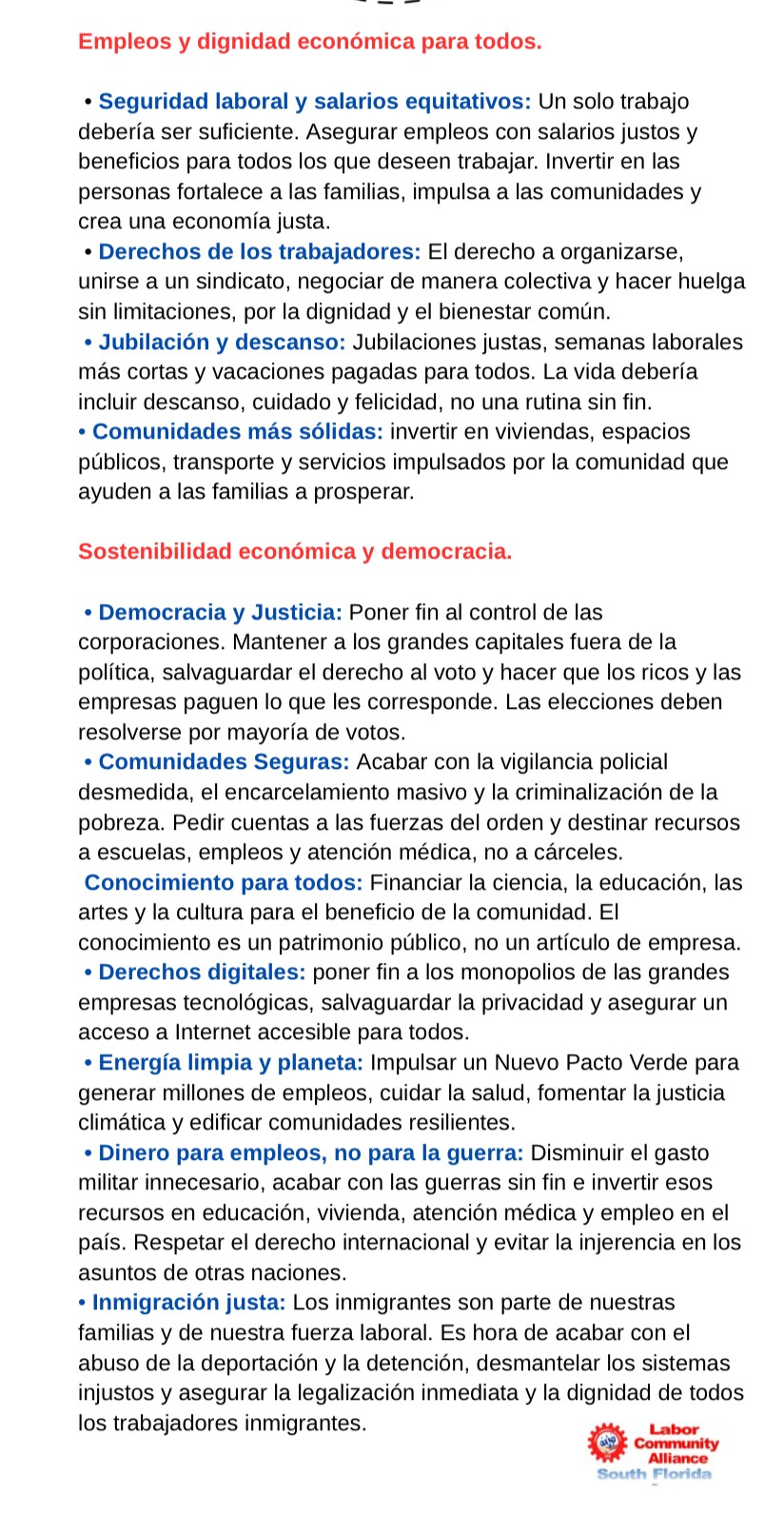
Share a print-out of this sheet or share this pdf online.
En Español
En Creole